Research
What can we learn by switching biology on and off?
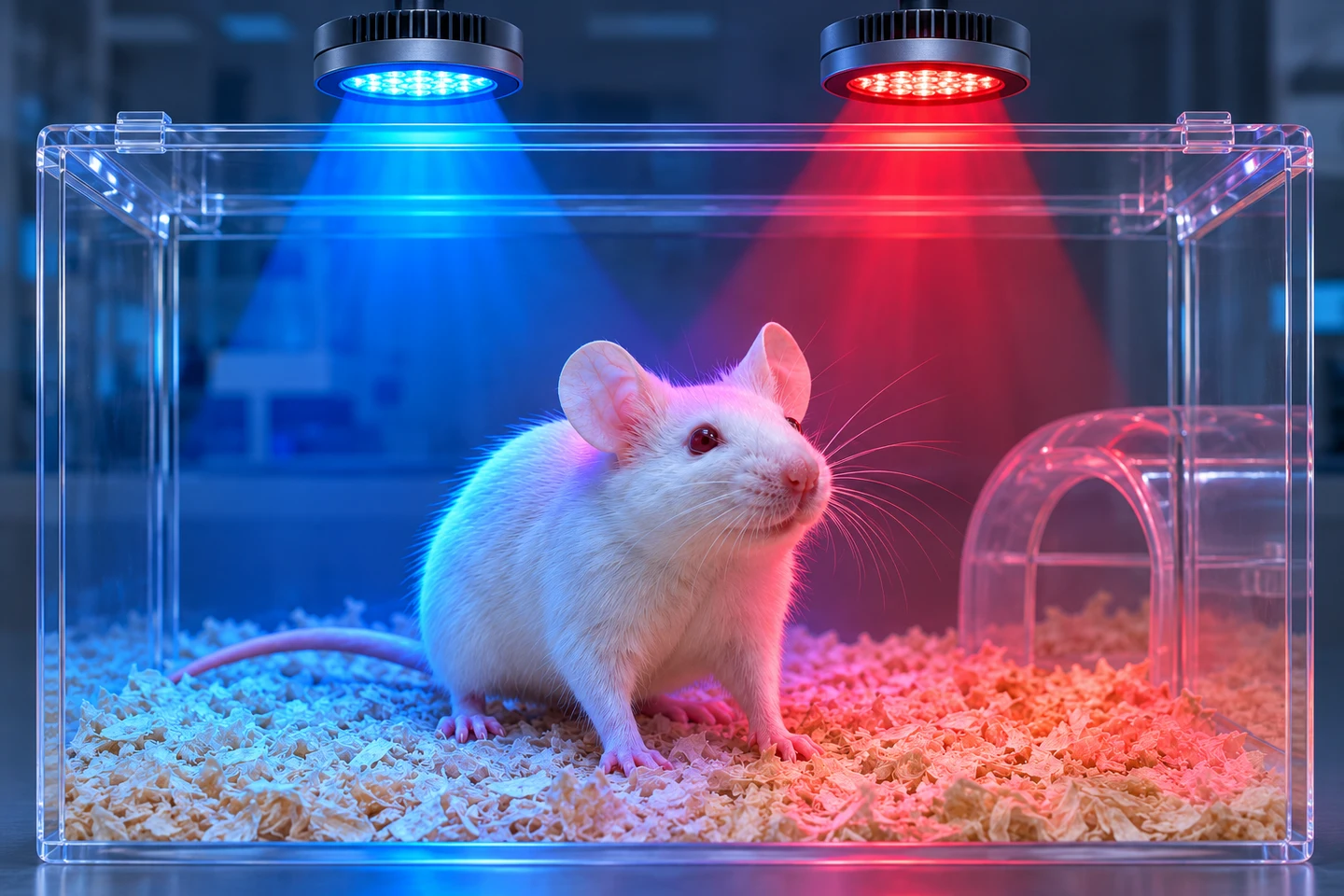
HeoLab follows molecular signals from moving cells to synapses and behavior. We build biosensors to see those signals, use light to change them, and engineer RNA tools to test where and when molecules act.
Cell signaling and migration
How does a cell choose which way to move?
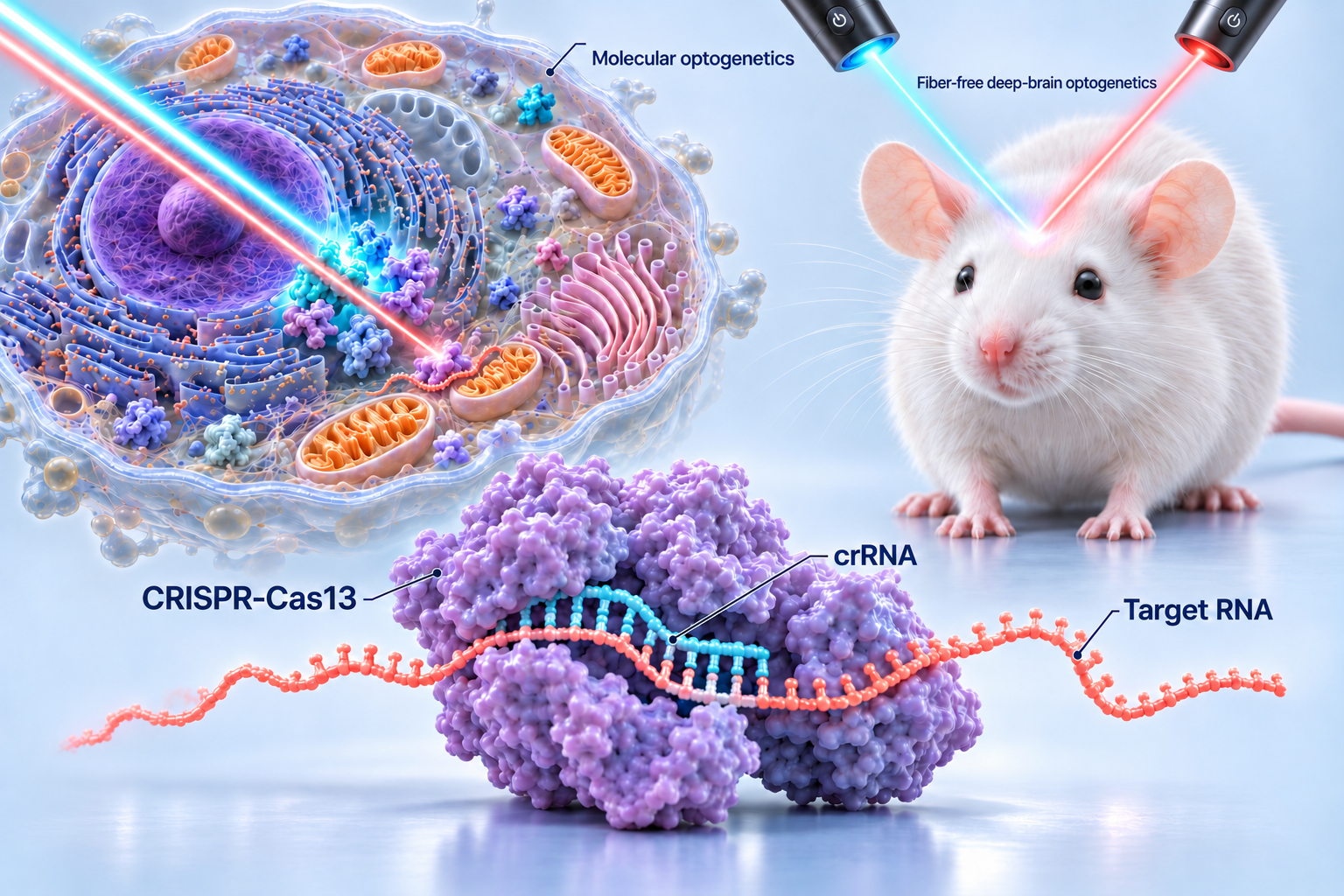
We track signaling with fluorescent biosensors and study how Rho GTPase networks guide cell migration.
Signals that guide movement
We compare signals at the front and rear of moving cells to study how they choose a direction.
Molecular optogenetics and antibodies
Which molecular functions can we change with light?
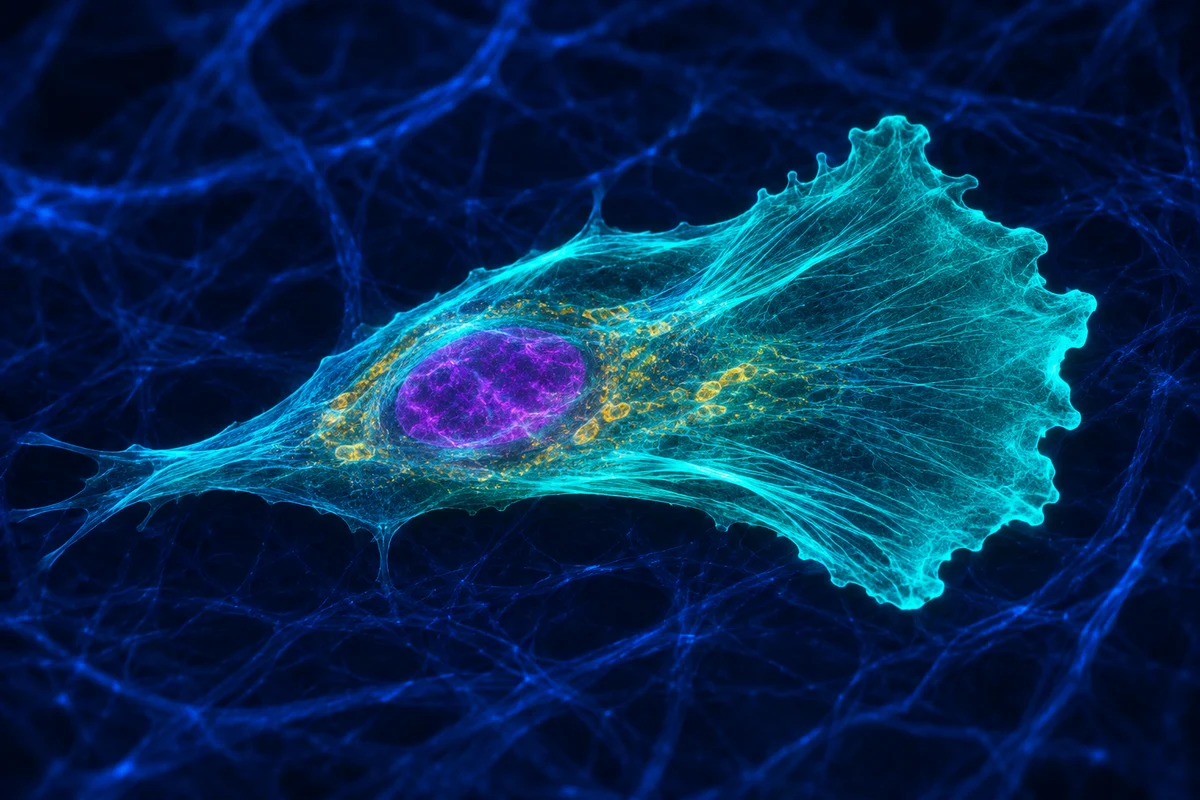
OptoSTIM1 uses light to control endogenous calcium channels. Extrabody extends optical control to the cell exterior by gating antibody recognition of antigens.
Molecular functions that respond to light
We control calcium channels and antibodies to study changes in intracellular signaling and antigen recognition outside cells.
Synaptic imaging and control
Can we watch synapses change in a living brain?
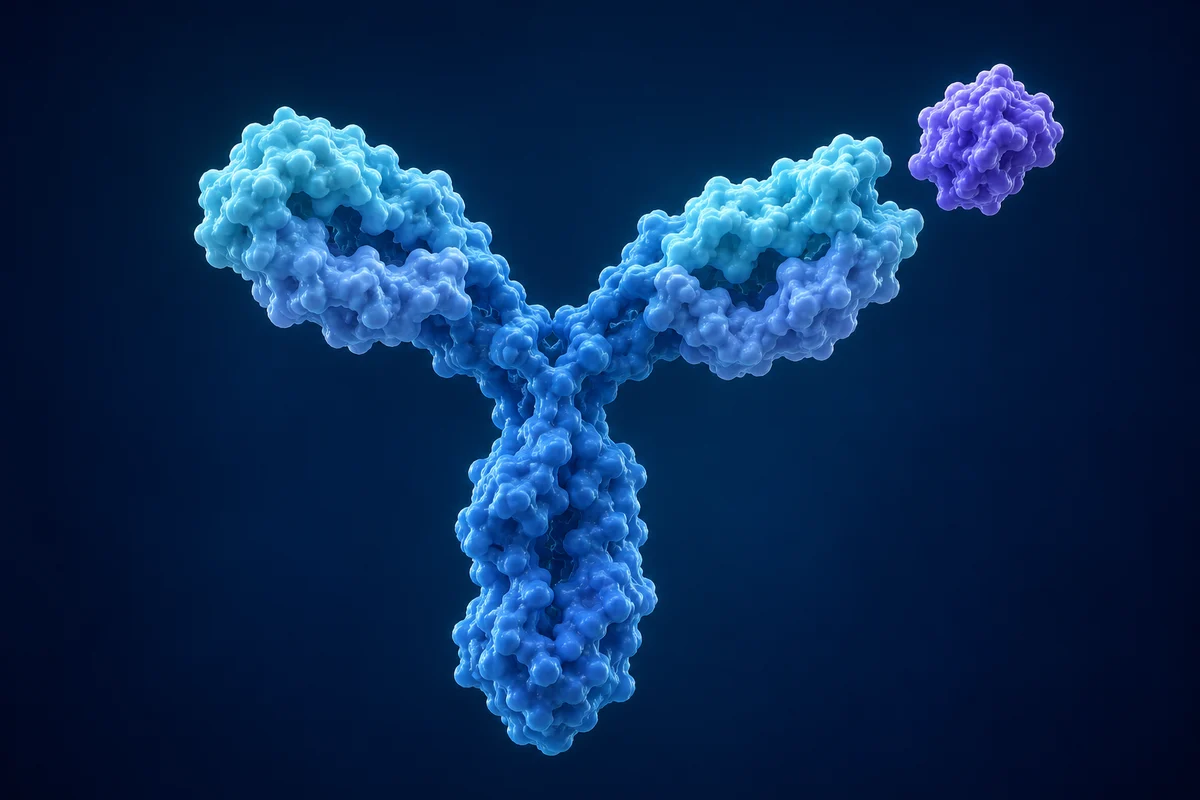
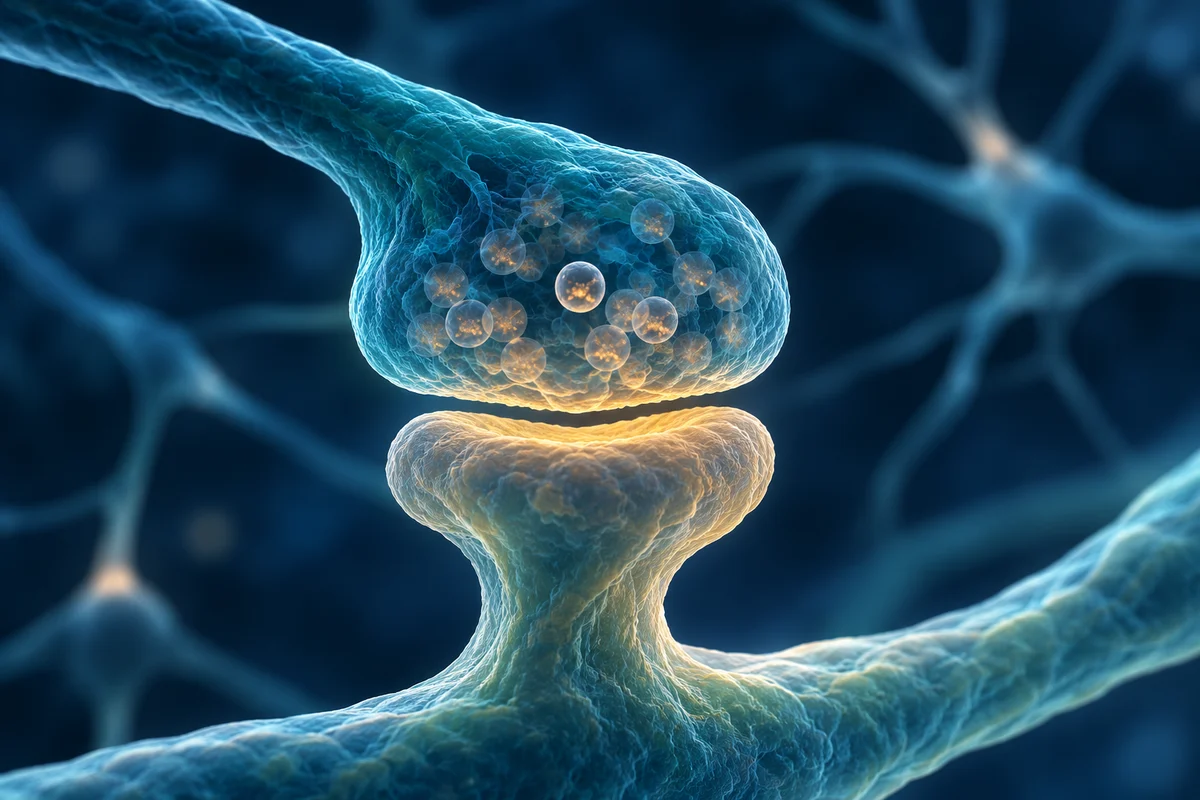
SynapShot visualizes structural changes at synaptic contacts in real time in the living brain. Opto-vTrap reversibly suppresses vesicle release and synaptic transmission, making it possible to test their roles.
Synapse structure and transmission
We track changes in synaptic contacts and temporarily alter transmission to investigate how structure and function relate.
Spatiotemporal RNA control
Does an RNA do something different when it acts in a different place or at a different time?
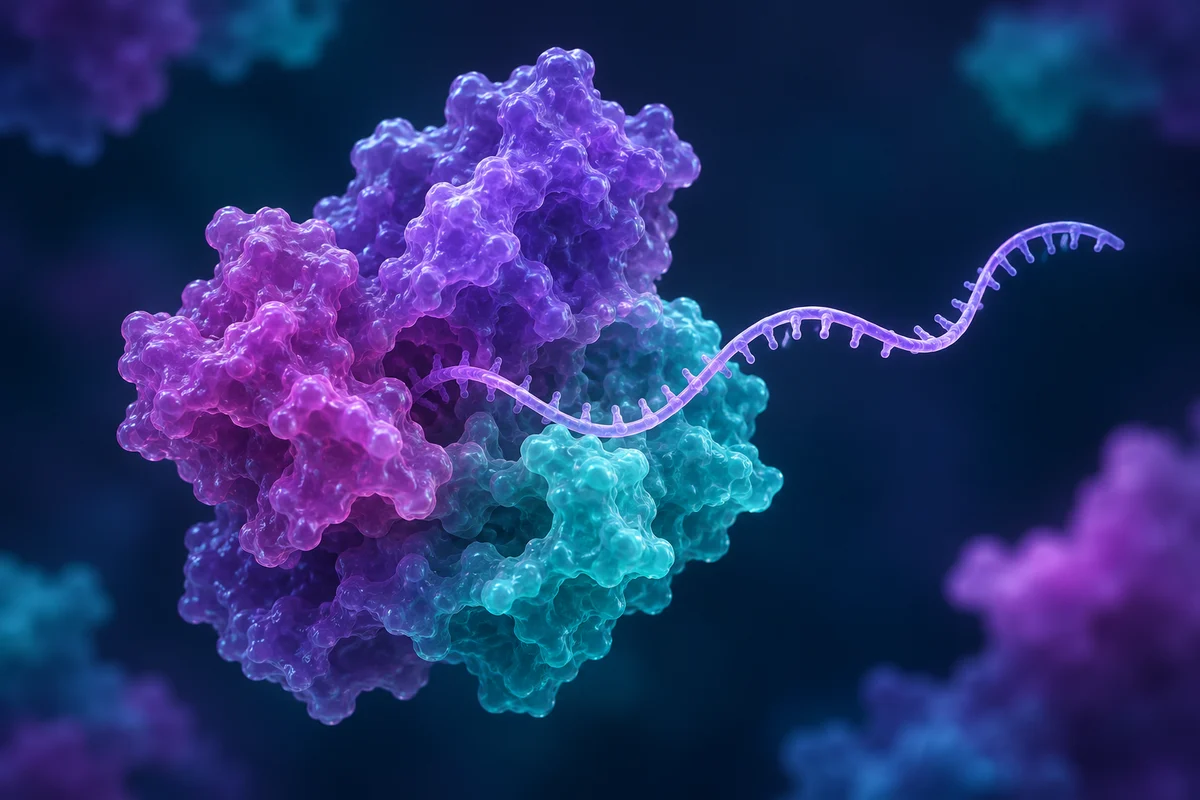
RELISR uses light to control mRNA storage and release. Photoactivatable Cas13 lets us control the timing of RNA base editing. Targeted RNA acetylation gives us another way to ask how chemical modifications affect RNA function.
When RNA can act
We ask when released mRNA becomes available for protein production and how chemical marks affect RNA function.
In vivo control and disease models
How do molecular signals shape behavior and recovery?
With monSTIM1, we controlled calcium signaling in awake mice without implanted optical fibers. We paired OptoRET with AI-based behavioral analysis in a mouse model of Parkinson’s disease and studied how astrocyte calcium signaling affects recovery in an animal model of stroke.
From molecular signals to behavior
We measure movement and recovery in animal models to investigate how cellular changes relate to whole-organism function.
External light stimulation without implanted optical fibers