Molecular optogenetics & chemogenetics
Engineering tools that control proteins, calcium dynamics, and receptor signaling at selected places and times.
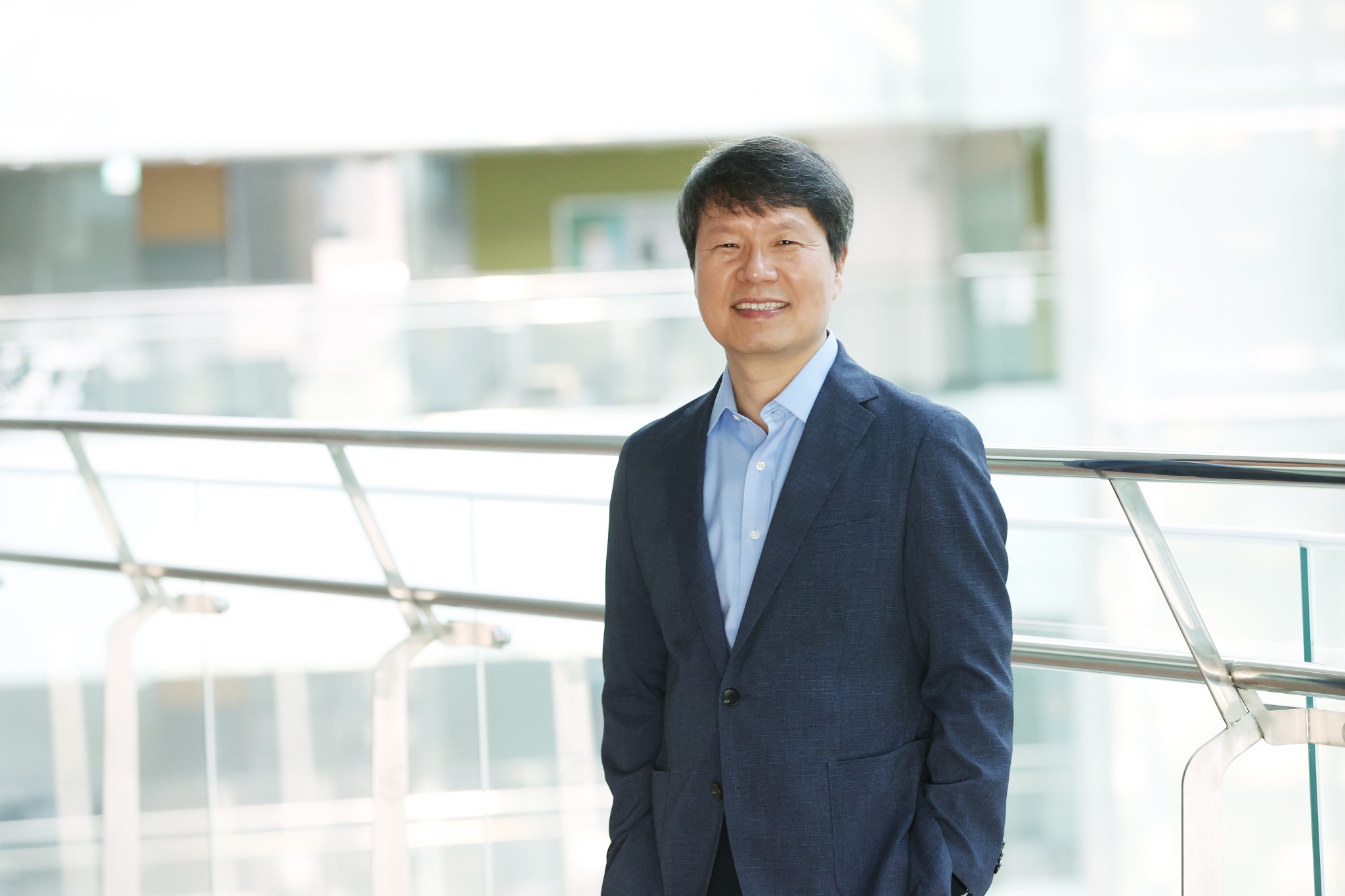
Endowed Chair Professor · KAIST Biological Sciences
Fellow, The Korean Academy of Science and Technology
Won Do Heo developed Korea’s first molecular optogenetic technologies and has helped pioneer the field alongside leading scientists worldwide. He develops molecular tools to visualize and control biological processes in space and time, connecting molecular optogenetics and chemogenetics with RNA engineering to investigate protein function, cellular signaling, and calcium ion regulation, and extending this work to brain function in living animals.
wondo@kaist.ac.kr ↗Research metrics reported in the CV updated October 13, 2026. Citation metrics: Google Scholar, October 2026.
His laboratory has developed platforms including LARIAT, OptoSTIM1, CRY2clust, Optobody, mRNA-LARIAT, SynapShot, paCas13, RELISR, and programmable RNA acetylation. Building on these tools, the group explores precise RNA interventions and optogenetic therapeutic strategies in disease models.
Engineering tools that control proteins, calcium dynamics, and receptor signaling at selected places and times.
Programming RNA localization, translation, degradation, base editing, and chemical modification while exploring interventions that do not alter DNA.
Combining real-time synapse imaging with molecular control to investigate memory and behavior and explore therapeutic strategies in disease models.
Vice President, Korean Society for Brain and Neural Sciences (since 2024). Fellow, Korean Academy of Science and Technology (since 2024). Active in scientific societies, research collaboration, and student mentoring.